E-mail:
info@zhongdongcable.com
Tel.: +86 198 2988 5532

Changes in global electricity demand are reshaping how power networks are planned, developed, and upgraded. The rapid expansion of data centers, the growing adoption of renewable energy, and the replacement of aging electrical infrastructure are creating new demands for power transmission and distribution systems.
For the cable industry, these developments involve more than an increase in demand. They are also changing product requirements, project specifications, delivery expectations, and the role of cable manufacturers in supporting major infrastructure developments.
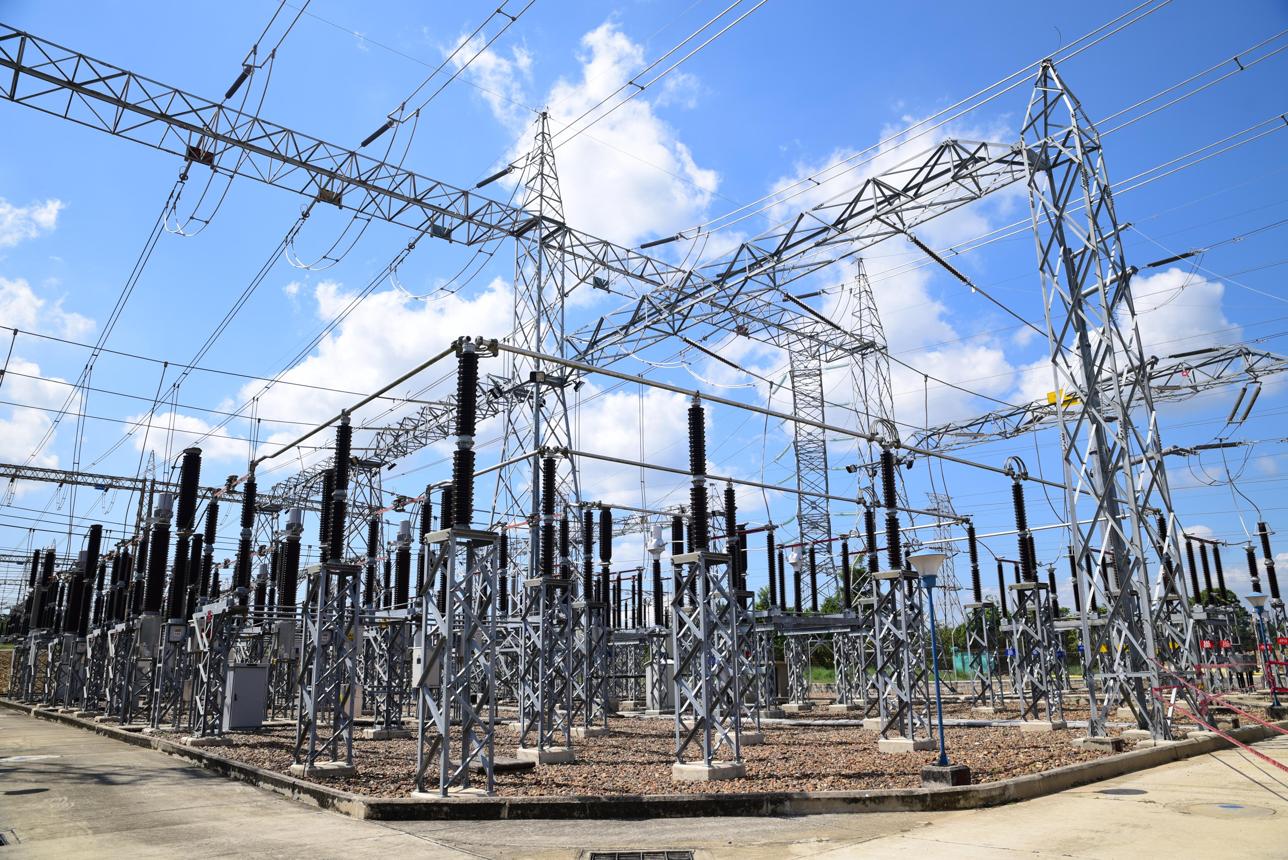
Many countries are investing in grid modernization to accommodate rising electricity consumption and improve the stability and reliability of their power networks.
Existing transmission lines and distribution systems in some regions require replacement or upgrades, while new substations, transmission routes, and distribution facilities are being developed. These projects require power cables across different voltage levels to support electricity transmission, distribution, and equipment connections.
High-voltage and medium-voltage cables are widely used in transmission and distribution networks, as well as substation construction. Low-voltage cables serve a broad range of applications, including building power distribution, industrial facilities, and connections to electrical equipment.
As grid infrastructure continues to expand, demand is increasing across multiple cable categories, each serving a different part of the power network.
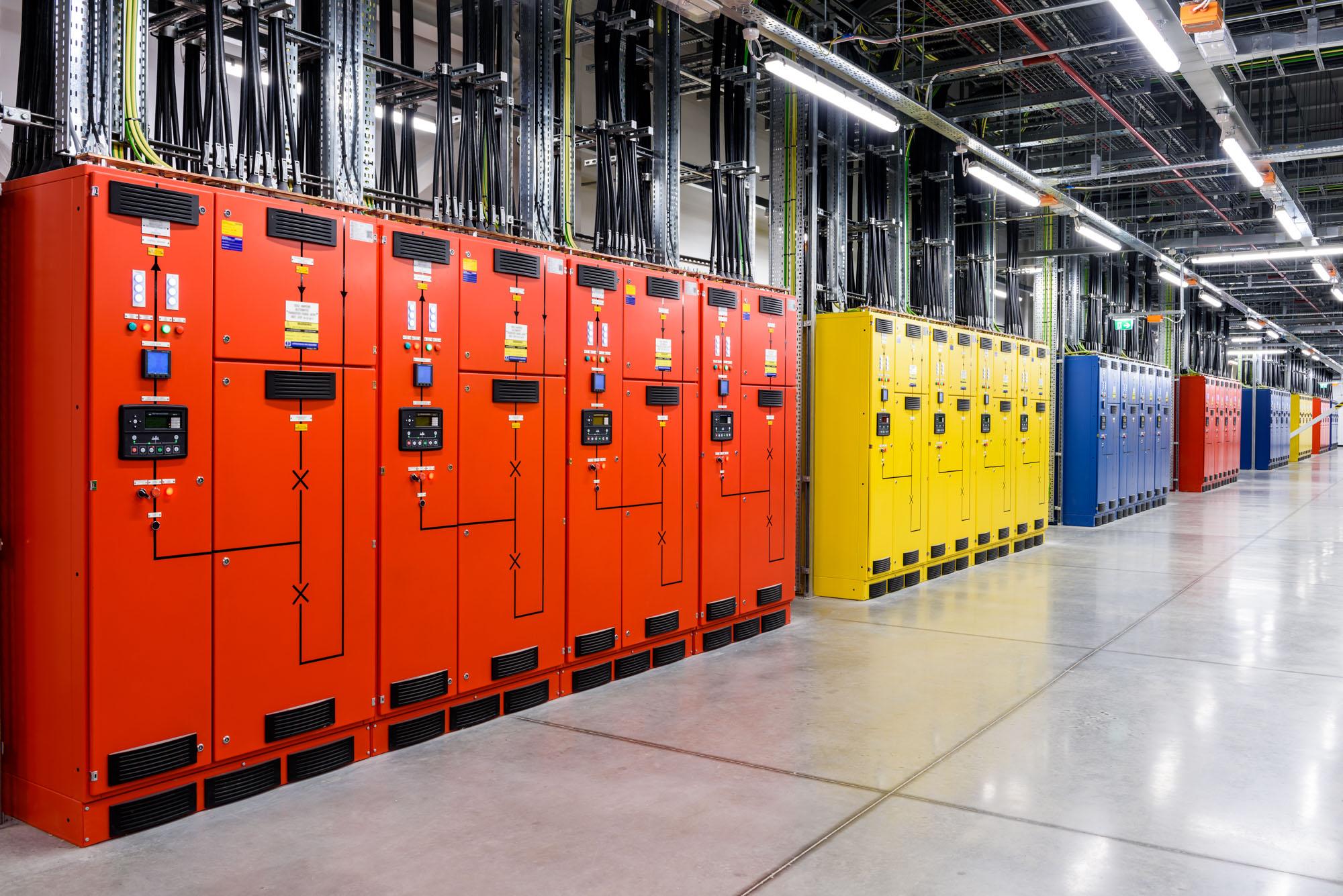
The growth of artificial intelligence, cloud computing, and digital services is accelerating data center construction worldwide.
Data centers require a continuous and reliable electricity supply. Their supporting infrastructure includes substations, power distribution equipment, backup power systems, and extensive internal electrical networks. As data center facilities become larger, their power capacity requirements and supporting infrastructure become increasingly demanding.
This creates additional requirements for cable products. From grid connections to internal power distribution, different sections of a data center rely on suitable cable solutions, including medium- and low-voltage power cables, control cables, and other supporting products.
Reliability, product quality, and delivery schedules are particularly important in these projects. Cable manufacturers must therefore be capable of meeting project-specific technical specifications while maintaining consistent production quality and dependable supply arrangements.
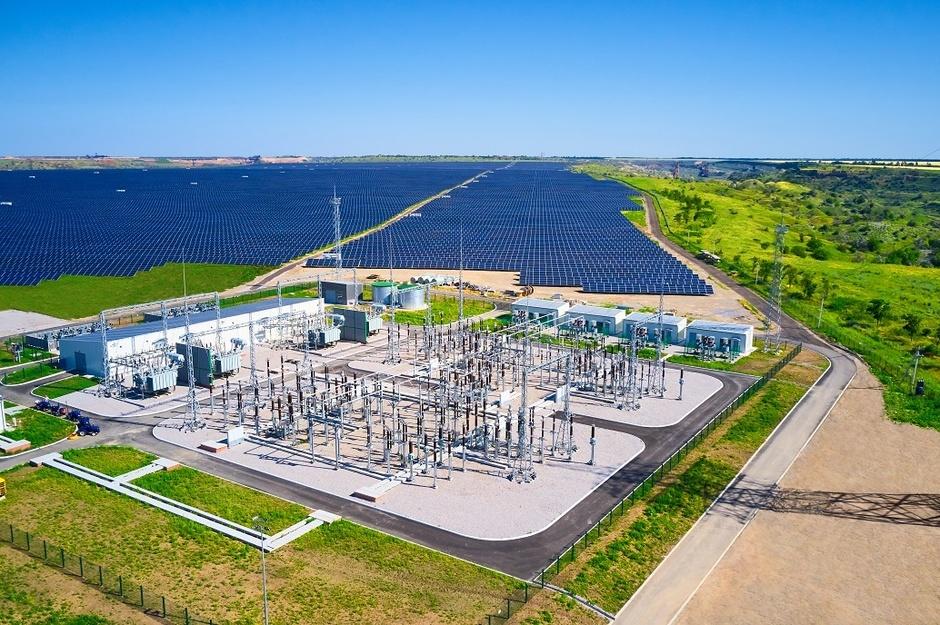
The continued development of solar and wind power is also contributing to demand for power cables and overhead conductor products.
Unlike conventional power generation facilities, renewable energy projects are often located across wider geographical areas, sometimes far from the regions where electricity is consumed. As a result, their development requires more than solar cables and wind power-related cable products.
Medium- and high-voltage cables, together with overhead conductors, are also essential for power collection, transmission, and grid connection.
As renewable energy capacity increases, grid expansion and transmission infrastructure become equally important. Cable products must be suitable for different installation environments and operating conditions, including outdoor exposure, temperature variations, ultraviolet radiation, and long-term service requirements.
Growing investment in global power infrastructure is influencing what project owners, EPC contractors, and procurement teams expect from cable suppliers.
When evaluating cable manufacturers, buyers generally consider several important factors:
Product Specifications and Technical Standards: Cable construction, conductor materials, voltage ratings, and performance characteristics must comply with project requirements and applicable standards.
Manufacturing and Supply Capacity: Large infrastructure projects often involve multiple cable specifications and substantial order quantities. Suppliers need sufficient production capacity and effective delivery planning.
Quality Control and Testing: Raw material inspection, in-process quality control, and finished cable testing are essential to ensuring product compliance and consistent performance.
Application Requirements: Different installation environments may require specific properties, such as heat resistance, weather resistance, flame retardancy, or mechanical protection.
For cable manufacturers, expanding infrastructure investment creates new business opportunities while placing greater demands on technical expertise, production management, and supply chain coordination.
As grid modernization, data center construction, and renewable energy development continue, the demand for reliable cable products and dependable manufacturing supply is expected to remain an important part of infrastructure development.
Meeting these requirements involves more than offering a wide product range. Manufacturers must also maintain consistent quality, comply with different technical standards, and respond to project-specific specifications and delivery schedules.
Founded in 2006, Zhongdong Cable Manufacture Co., Ltd. specializes in cable manufacturing for power transmission and distribution, industrial applications, infrastructure, and renewable energy projects. Its product portfolio includes high-voltage power cables up to 110kV, medium- and low-voltage power cables, overhead conductors, control cables, building wires, rubber cables, and photovoltaic cables.
As global power infrastructure continues to evolve, Zhongdong Cable will continue to develop its product range and manufacturing capabilities, supporting power and infrastructure projects in different markets with cable products designed to meet their technical requirements.


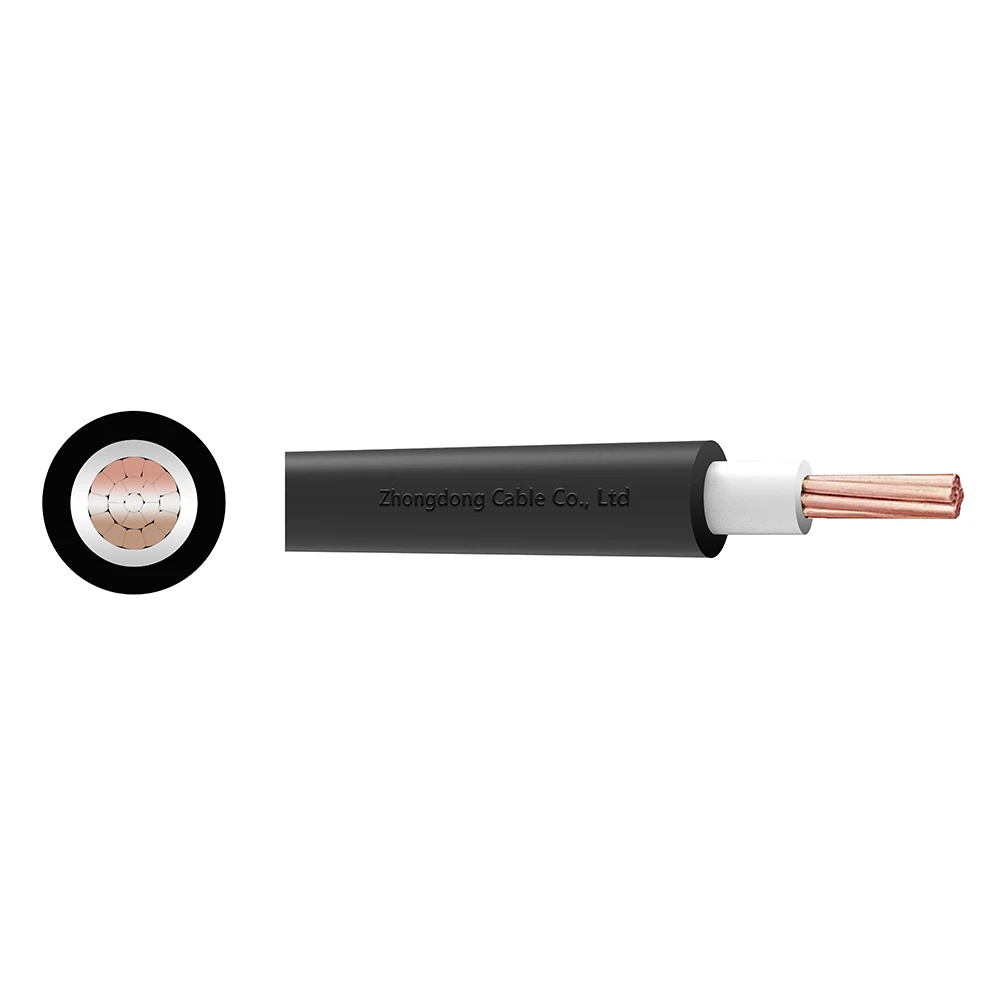 CU/XLPE/PVC Single Core Power Cable 0.6/1kV
Zhongdong Cable combines premium raw materials, large-scale manufacturing capabilities, and strict quality control systems to deliver cable products that fully match your technical requirements and brand identity.