E-mail:
info@zhongdongcable.com
Tel.: +86 198 2988 5532

A cable can look correct and still fail to meet its rated electrical, mechanical, or fire-performance requirements. Before ordering Low Voltage Cable for a building, factory, or infrastructure project, buyers should ask for tests that match the cable’s design and intended use. This guide explains low voltage cable testing requirements, the standards behind common checks, and how to review test records without relying on appearance alone.

Low Voltage Cable is a power or control cable designed to operate within a specified voltage range. The term can vary by region and product standard, so buyers should confirm the rated voltage on the datasheet rather than rely on the label alone. IEC 60502-1 covers power cables with extruded insulation for rated voltages of 1 kV (Um 1.2 kV) and 3 kV (Um 3.6 kV). It does not automatically apply to every cable described commercially as low voltage.
Key terms include rated voltage, the voltage level the cable is designed to withstand; conductor resistance, the opposition to current flow; and insulation resistance, a measure of how well insulation limits leakage current. The correct product standard depends on the cable type, voltage, construction, destination market, and project specification.
Start with the tests required by the purchase specification and the cable’s applicable standard. Ask the supplier to identify each test as a routine, sample, or type test. These categories matter: routine tests are generally performed on production lengths, sample tests check selected production samples, and type tests demonstrate that a design meets specified requirements. The exact test scope depends on the standard and contract.
Conductor resistance checks whether the conductor’s electrical resistance is within the permitted limit. Results depend on conductor material, cross-sectional area, length, and temperature. IEC 60228 specifies conductor requirements and resistance limits for cable conductors. Ask for the measured value, test temperature or temperature correction, conductor size, and the applicable limit—not just a pass statement.
This test applies a specified voltage between conductors and/or between a conductor and the metallic screen or water, as required by the product standard. It checks the insulation system for breakdown under the test conditions. The test voltage, duration, sample arrangement, and acceptance criteria must come from the applicable standard or project specification; there is no single safe value to apply to every cable.
Insulation resistance testing measures leakage through the insulation under a defined test voltage and temperature. Request the recorded value, test method, cable length, temperature, and instrument details where relevant. Compare results only with the limits and method specified for that cable design. A high number by itself does not prove compliance with every other requirement.
Ask for measurements of conductor size, insulation and sheath thickness, overall diameter, and other construction details stated in the datasheet. The report should identify the sample and the measurement method. These checks help detect a mismatch between the supplied cable and the ordered design, but they do not replace electrical tests.
Depending on the cable type, specifications may require tensile strength and elongation checks on insulation or sheath materials, before and after ageing. These tests assess whether materials retain required properties after defined conditions. They are especially relevant when the cable will face heat, movement, installation stress, or demanding service conditions. Request the exact test conditions and pass limits stated in the applicable standard.
Fire-performance requirements are application-specific. IEC 60332-1-2 addresses flame propagation for a single vertical insulated wire or cable under defined test conditions. It is not a complete measure of fire risk for an installed cable bundle. Where low-smoke or halogen-related performance is required, the specification may call for tests from IEC 61034 for smoke density and IEC 60754 for gases evolved during combustion. Ask which part and test method apply to the project.
Armoured, screened, water-resistant, flexible, or fire-resistant cables may need additional checks. Examples include armour or screen continuity, water penetration, bend or flexibility tests, and circuit-integrity testing. Do not request these as generic checks: first confirm that the cable construction and project specification require them.
A useful report lets you connect the result to the exact cable you are buying. Review these points before approval:
For a practical low voltage cable inspection checklist, compare the approved datasheet, purchase order, cable marking, drum label, and test report line by line. If any detail differs, request a written explanation and corrected documentation before installation.
Testing supports cable selection and quality control in commercial buildings, factories, data and control systems, utility facilities, transport projects, and renewable-energy installations. The test plan changes with the application. A building may place emphasis on conductor performance and specified fire properties, while an industrial installation may also need to consider mechanical protection, temperature, chemicals, or movement.
Testing is important because cable failures can lead to downtime, repair costs, safety hazards, and replacement work. A report that matches the actual cable and project criteria gives buyers evidence to assess compliance before installation. It reduces uncertainty, but it cannot replace correct design, installation, protection, and maintenance.
No. Required tests depend on the cable design, governing standard, destination market, and contract. Ask the manufacturer to show which requirements apply and why.
It can provide useful production evidence when it identifies the product, batch, methods, results, and acceptance limits. Check whether the contract also requires third-party testing, inspection, or a specific certificate.
It may support the same cable design, but buyers should confirm that the tested construction and rating match the ordered product and that the report is accepted under the project rules. A design change can affect whether earlier results remain relevant.
No. A named flame test measures performance under defined laboratory conditions. It does not make a cable fireproof or establish every aspect of fire safety in an installed system. Specify the required fire performance for the real application.
Pause acceptance and installation, record the difference, and ask the supplier for traceable clarification or corrected documents. Do not assume that a similar product designation means the cable meets the order.
Before placing an order, prepare a written specification and ask for the applicable standards, test scope, sample report, and production traceability details. For project-specific help, contact Zhongdong Cable Co., Ltd. and request documentation for the exact cable construction you plan to use. Following a clear process for how to verify low voltage cable quality makes comparisons easier and helps prevent avoidable issues during delivery and installation.


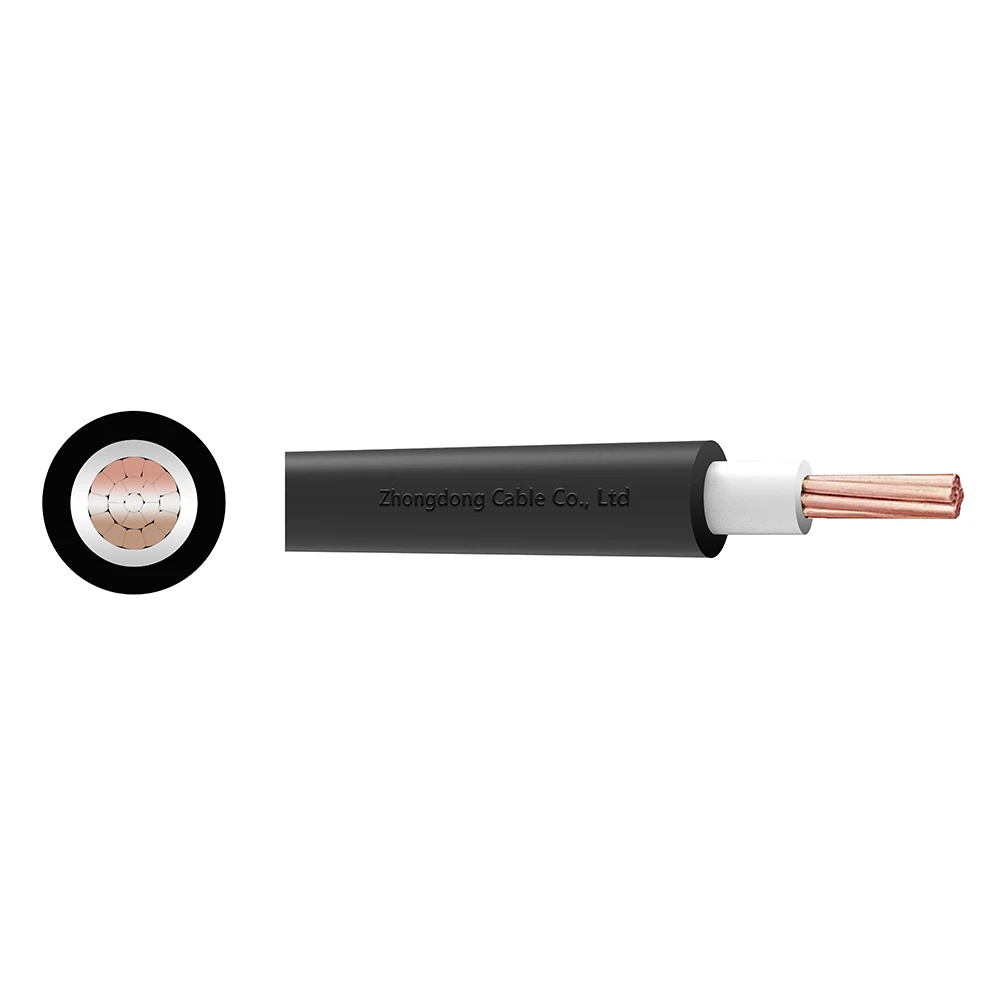 CU/XLPE/PVC Single Core Power Cable 0.6/1kV
Zhongdong Cable combines premium raw materials, large-scale manufacturing capabilities, and strict quality control systems to deliver cable products that fully match your technical requirements and brand identity.