E-mail:
info@zhongdongcable.com
Tel.: +86 198 2988 5532
To decide whether your project needs SWA Low Voltage Cable, follow five practical checks: identify mechanical risks, review the installation route, confirm electrical requirements, verify the applicable cable standard, and specify compatible glands and terminations. This process helps you avoid under-protection, unnecessary cost, and installation delays. At Zhongdong Cable Co., Ltd., we recommend treating armor as one part of a complete cable system—not as a substitute for correct cable sizing or installation design.

SWA means steel wire armoured. In a typical construction, steel wires surround the cable core assembly beneath the outer sheath. This armour provides mechanical protection and can contribute to the circuit’s protective earthing arrangement when the cable, glands, and bonding are designed and installed accordingly.
Low Voltage Cable generally refers to cable rated up to 1,000 V AC in many project specifications, but definitions and applicable requirements depend on the governing code and contract. Confirm the voltage rating and standard rather than relying on the product name alone.
Armour is not a guarantee against every hazard. SWA does not automatically make a cable suitable for corrosive chemicals, permanent immersion, fire survival, hazardous locations, or every direct-burial condition. Check the full cable construction, sheath material, environmental rating, and local rules.
When Should You Specify SWA Low Voltage Cable? Specify it when the installation assessment identifies a credible risk of impact, crushing, or other mechanical damage and the cable construction is suitable for the environment. Typical applications include industrial power distribution, outdoor plant, building services, and routes between buildings—subject to local regulations and the manufacturer’s installation instructions.
| Project condition | What to check | Possible specification decision |
|---|---|---|
| Exposed to impact or construction activity | Route access, impact severity, support, and protection from vehicles or machinery | Consider SWA where the risk assessment supports mechanical armour; add barriers where severe impact is possible. |
| Buried or installed outdoors | Soil conditions, water exposure, corrosion, burial depth, and local installation rules | Specify a suitable sheath and installation method; do not assume armour alone makes direct burial acceptable. |
| Installed in a tray, riser, or plant area | Support spacing, bend radius, cable cleats, vibration, and access for maintenance | Use SWA if mechanical exposure justifies it and the route can accommodate the cable’s size and stiffness. |
| Fire-performance requirement | Flame propagation, circuit integrity, smoke, and halogen requirements | Select a cable tested for the stated fire requirement; SWA alone does not establish fire survival. |
| Electrical fault protection is critical | Fault current, disconnection time, armour continuity, and earthing design | Verify the armour’s role in the protective circuit and use the correct glands, bonding, and calculations. |
Mark the cable path from the supply point to the load. Record whether each section is indoors, outdoors, buried, on a ladder rack, in a riser, or near mobile equipment. Note likely crushing, abrasion, vibration, water, chemicals, sunlight, and temperature exposure. Separate ordinary installation risks from exceptional hazards that need additional containment or a special cable design.
This route survey helps prevent a common error: choosing SWA for one exposed section and then overlooking a different limitation, such as an unsuitable outer sheath or an inadequate fire-performance rating.
Establish the system voltage, load current, conductor material, circuit length, installation method, ambient temperature, grouping, and allowable voltage drop. A qualified designer should calculate current-carrying capacity and short-circuit withstand, then confirm protective-device coordination and automatic disconnection requirements.
Armour can affect cable diameter, weight, bending, and termination space. Include these practical factors in the design review, especially for long runs and crowded cable routes.
Specify more than “SWA cable.” State the rated voltage, number of cores, conductor material and size, insulation, bedding, armour, outer sheath, and any required environmental or fire performance. For example, an outdoor route may need a sheath suitable for ultraviolet exposure, while a chemically exposed route may require a different material confirmed by compatibility data.
Use the standard called up by the project and the destination market. Common references include IEC 60502-1 for power cables with extruded insulation in specified voltage ranges, IEC 60228 for conductor requirements, and BS 5467 where applicable to the project’s cable type and jurisdiction. The exact edition and scope matter. ASTM or DIN references should be used only when they are relevant to the specified product or contract; no single standard applies to every SWA cable.
The cable is only one part of the assembly. Identify compatible cable glands for the cable’s construction and installation location, including indoor or outdoor use. Specify earthing and bonding arrangements, armour continuity, sealing requirements, and any insulating or earth-tag components required by the design.
Give the installer the manufacturer’s minimum bend radius, pulling limits, cleat or support requirements, and termination instructions. Poorly selected glands or damaged armour at a termination can compromise the intended mechanical and electrical protection.
Before purchase, request a datasheet, construction details, declared standards, test documentation, and confirmation that the offered cable matches the project schedule. At delivery, verify the drum labels, cable markings, core identification, size, length, and visible condition against the approved submittal.
For a documented receiving process, require 100% visual and marking checks on delivered drums, then record any sampling or electrical tests required by the contract. Ask the supplier to state the inspection and test scope rather than treating “tested” as a complete description. Zhongdong Cable Co., Ltd. can be asked to clarify product construction and documentation against the project specification before an order is finalized.
These checks reduce costly substitutions, rejected submittals, termination rework, and commissioning delays. They also help contractors price the correct cable and accessories the first time.
Use a cable sizing and voltage-drop calculator as a design aid, not as a replacement for engineering review. A route drawing, load schedule, installation-method table, short-circuit calculation, gland selection chart, and cable datasheet help keep procurement and installation aligned. For each project, keep a simple compliance matrix showing the requirement, supplier evidence, reviewer, and approval status.
When requesting a quotation from Zhongdong Cable Co., Ltd., provide the destination market, governing standard, voltage, core count, conductor size and material, cable construction, required lengths, environmental conditions, and documentation needs. A complete request helps the supplier respond against the actual specification; if your project has a response-time target, state it in the enquiry rather than assuming a standard turnaround.
When Should You Specify SWA Low Voltage Cable? Choose it when a documented route assessment shows that steel wire armour is an appropriate way to address mechanical risk, and the complete cable construction meets the electrical, environmental, and regulatory requirements. Do not select it by habit or treat armour as a replacement for correct sizing, earthing, fire-performance selection, or installation protection.
To move forward, map the route, complete the electrical checks, define the cable and gland construction, verify standards and test documents, and inspect the delivered product against the approved submittal. These steps give your business a clear, auditable basis for specifying Low Voltage Cable and help prevent avoidable installation and commissioning problems. When Should You Specify SWA Low Voltage Cable? Use the five checks in this guide before issuing your next cable schedule or purchase enquiry.


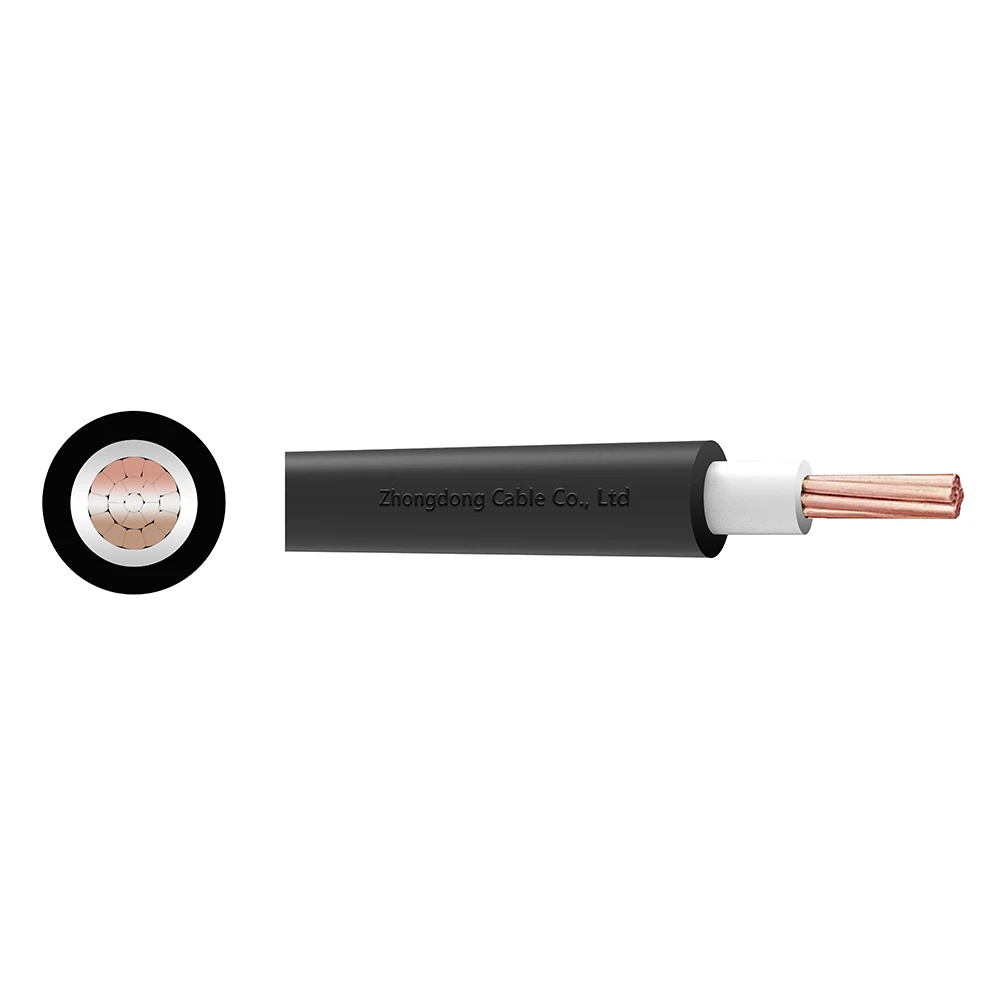 CU/XLPE/PVC Single Core Power Cable 0.6/1kV
Zhongdong Cable combines premium raw materials, large-scale manufacturing capabilities, and strict quality control systems to deliver cable products that fully match your technical requirements and brand identity.