E-mail:
info@zhongdongcable.com
Tel.: +86 198 2988 5532

A tight turn around a tray, cabinet, or conduit can damage a cable even when its outer sheath looks intact. The minimum bending radius for Low Voltage Cable is the smallest bend allowed by the cable maker for a stated installation condition. Knowing the low voltage cable bend radius calculation helps installers plan routes without stressing insulation, conductors, or armor. The right value varies by cable design, so a single rule cannot safely cover every job.

The minimum bending radius is the smallest radius a cable can follow without exceeding the maker’s limits for bending. It is often given as a multiple of the cable’s overall diameter, written as R ≥ k × D. In this formula, R is the specified bend radius, D is the cable’s outside diameter, and k is the multiplier listed in the cable documentation.
For example, if a manufacturer specifies 12 times the cable diameter and the cable is 20 mm across, the calculated radius is 12 × 20 mm = 240 mm. This is an example of the calculation, not a universal requirement. Confirm how the manufacturer defines the radius: some documents specify the radius to the inside of the bend, while others use a different reference. Do not assume that a 240 mm radius means a 240 mm-wide semicircle; the bend diameter would be twice the radius when measured from the same center point.
“Low voltage” commonly describes systems up to 1,000 V AC, and many power cables in this range are rated 0.6/1 kV. The cable’s voltage rating alone does not determine its bend limit. Conductor size and stranding, insulation, sheath, number of cores, armor, and whether the cable is being pulled or simply placed can all matter.
If a datasheet does not state a radius, ask the cable manufacturer or supplier for written installation guidance. Avoid choosing a multiplier from an unrelated cable or applying a general rule without checking the cable construction.
A cable is a layered assembly. Its conductors carry current, insulation separates the conductors, and the outer sheath protects the assembly from its environment. Some designs also include fillers, screens, bedding, or metal armor. Bending changes the position and stress of these layers: material on the outside of a curve stretches, while material on the inside compresses.
A flexible, unarmored cable may have a different permitted bend from a large, armored power cable. A single-core cable may also behave differently from a multicore cable. Temperature and the way a cable is installed can change the maker’s instructions. These are reasons to use the specification for the exact product rather than relying on a number found for a different cable.
IEC 60502-1 covers construction and testing requirements for power cables with extruded insulation in the 0.6/1 kV range, among other requirements. IEC 60364-5-52 addresses selection and erection of wiring systems. These references provide useful industry context, but the applicable project rules and the cable manufacturer’s installation data should be checked for the actual bend limit. Do not treat a standard’s general scope as a substitute for a product-specific radius.
Following the specified radius helps reduce mechanical stress during installation and service. It also lowers the chance of kinks, sheath damage, compressed insulation, or strain at cable terminations. A correctly planned route can make inspection and replacement easier and can help prevent avoidable installation delays.
These benefits do not guarantee a particular service life or failure-rate reduction. Cable performance depends on correct product selection, installation, protection, operating conditions, and maintenance. The practical goal is to keep the cable within its documented limits throughout the job.
No. The permitted radius depends on cable construction and installation conditions. Use the product datasheet or obtain written guidance from the manufacturer.
If the manufacturer gives a multiplier, multiply the stated overall cable diameter by that number. For example, a specified 10D rule for a cable with a 15 mm overall diameter gives 150 mm. This example only explains the math; it does not recommend 10D for every cable.
It may, but armor alone is not enough to determine the correct value. Check the datasheet for the exact armored cable and whether its instruction applies during installation or in the final position.
Do not assume so. Pulling adds forces that are not present in a cable at rest. Follow the manufacturer’s pulling and bend guidance, and use suitable rollers or guides where required.
Contact the manufacturer or supplier with the full product designation, cable size, and installation details. Do not substitute a value from a different product without confirmation.
Before installation, gather the cable datasheet, confirm the overall diameter, identify the bend measurement method, and mark the required space on the route. Then check pulling guidance, supports, and termination instructions. For a project-specific recommendation, contact a qualified electrical professional or the cable supplier. Zhongdong Cable Co., Ltd. can also help you review product information and installation requirements. Use the product guide to confirm the minimum bend radius for 0.6/1 kV cable before beginning work.


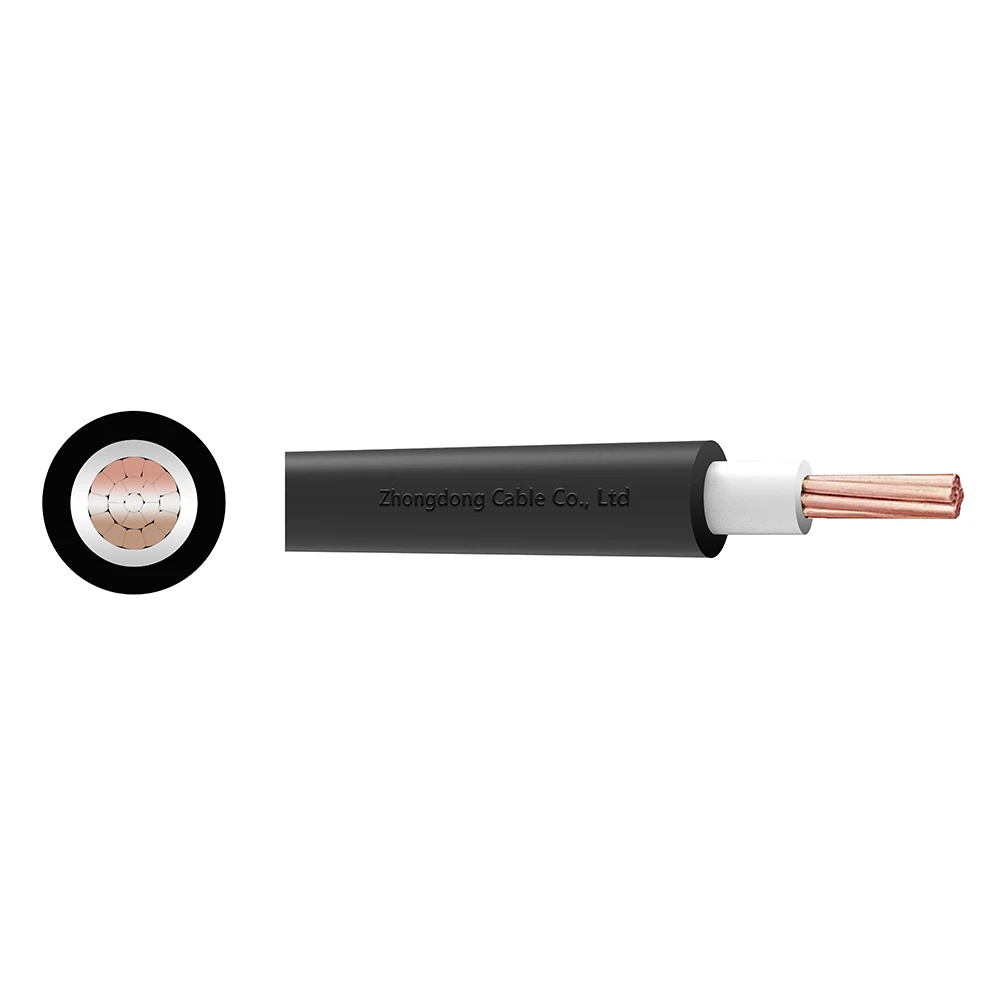 CU/XLPE/PVC Single Core Power Cable 0.6/1kV
Zhongdong Cable combines premium raw materials, large-scale manufacturing capabilities, and strict quality control systems to deliver cable products that fully match your technical requirements and brand identity.