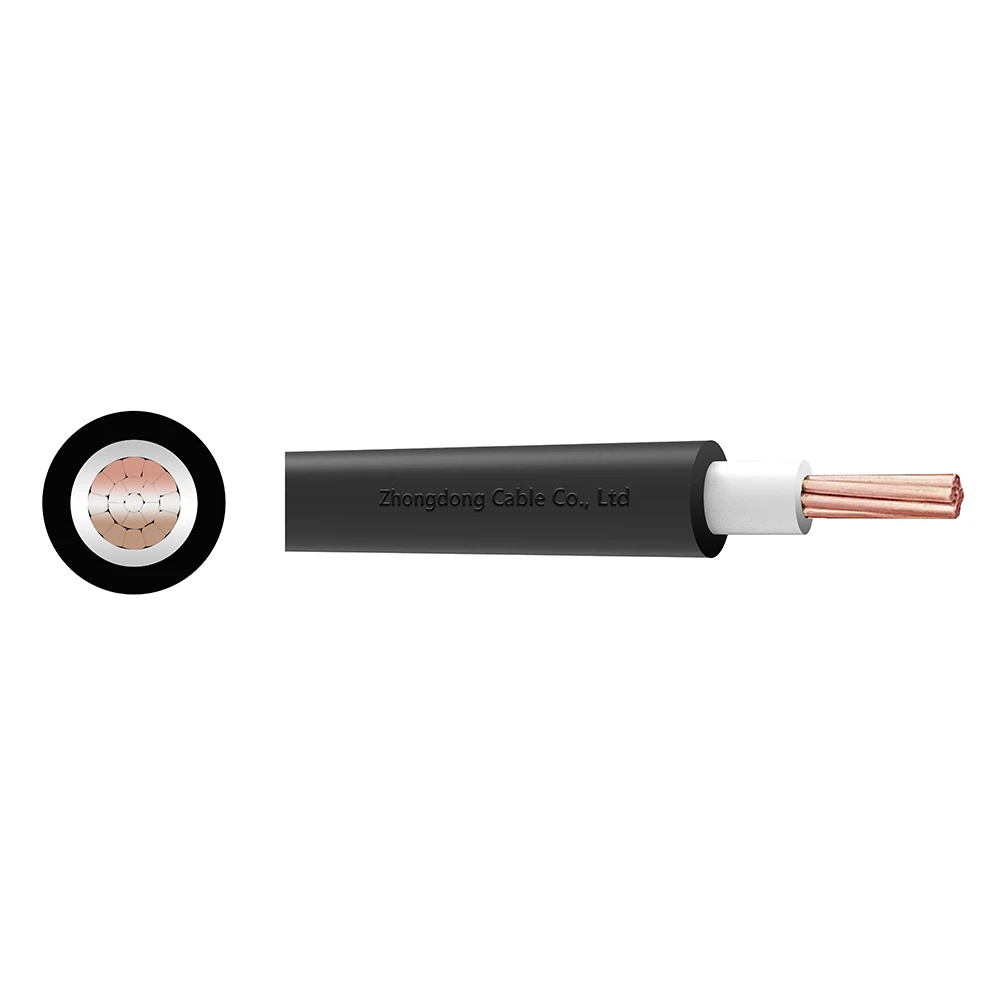



Low Voltage Cable is an electrical cable designed to carry power at low-voltage levels, commonly up to 1 kV AC in building and industrial applications, though the precise rating depends on the cable design and applicable standard. Its price is the quoted cost for a defined cable specification and order—not simply a price per meter. Understanding What Factors Affect Low Voltage Cable Prices? helps businesses compare equivalent products, control procurement costs, and avoid paying for the wrong cable or an incomplete specification.
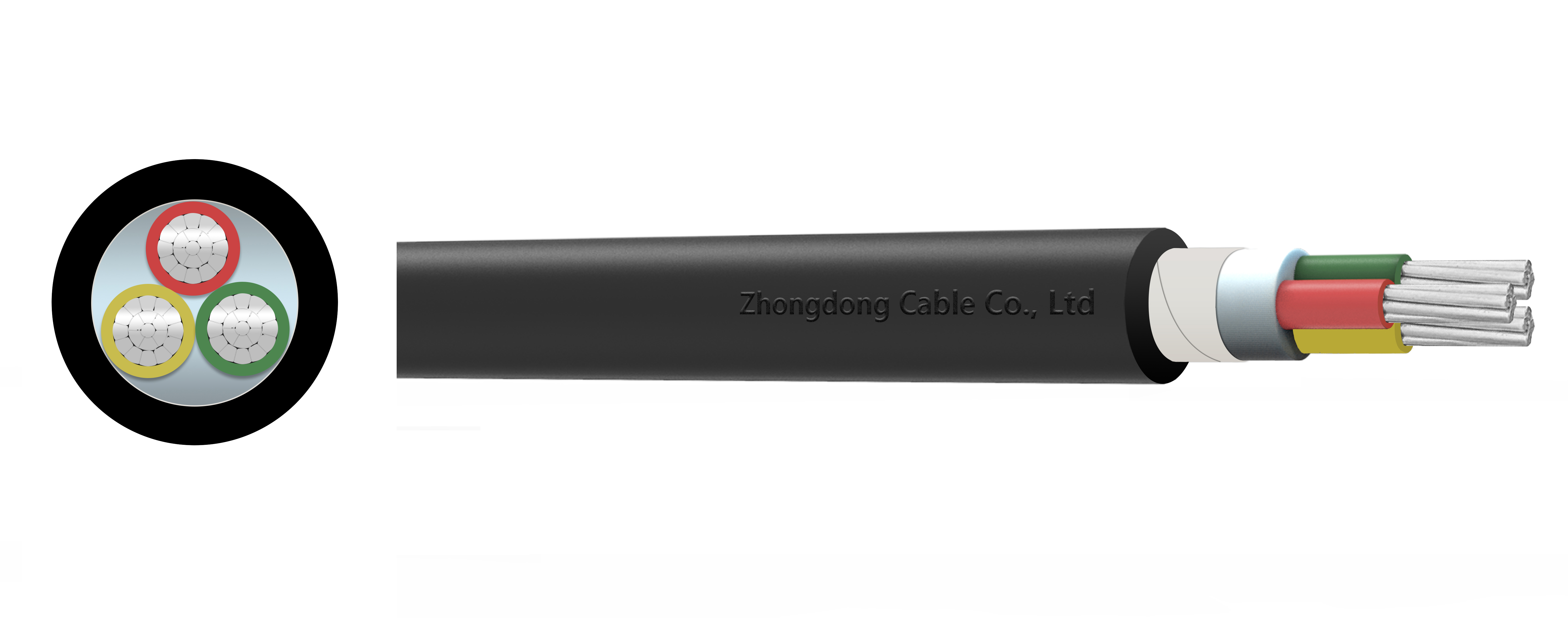 Low Voltage Cable pricing depends on the complete construction and project requirements.
Why Low Voltage Cable pricing has more than one driver
Cable manufacturing developed alongside expanding electricity networks, commercial buildings, and industrial equipment. As electrical systems grew more complex, buyers needed cables with specific conductor sizes, insulation compounds, protective layers, and test requirements. Today, a Low Voltage Cable quotation reflects both the raw materials and the engineering needed to meet a project’s electrical, environmental, and installation requirements.
That context matters because two cables that look similar may not be interchangeable. A copper conductor and an aluminum conductor can have different weight, resistance, and installation requirements. Likewise, a cable intended for a dry indoor tray may not suit a wet, buried, or chemically exposed location.
What Factors Affect Low Voltage Cable Prices?
The most useful way to evaluate What Factors Affect Low Voltage Cable Prices? is to review the quotation line by line. These are the main cost drivers.
1. Conductor material and metal prices
Copper is widely used for its conductivity and ductility. Aluminum can reduce conductor weight and may be selected for suitable applications, but the design must account for its electrical and connection characteristics. Copper and aluminum market prices fluctuate, so a quote may include a validity period or a metal-price adjustment clause.
Conductor size also matters. A larger cross-sectional area generally requires more metal per meter. For example, a 4-core cable with 25 mm² conductors contains more conductor material than a comparable 4-core cable with 10 mm² conductors. Confirm whether the stated cross-section, conductor class, and material match the project specification.
2. Core count, cable construction, and dimensions
Price changes with the number of cores, conductor stranding, insulation thickness, and overall cable diameter. A cable may also include a concentric conductor, screen, bedding, armor, or an outer sheath. Steel wire armor (SWA), for example, adds material and manufacturing steps but can provide mechanical protection in appropriate installations.
Do not compare a basic unarmored cable with an armored cable solely by price per meter. First compare the full construction schedule, including conductor, insulation, sheath, and armor.
3. Insulation and sheath materials
PVC, XLPE, and other polymer compounds have different performance characteristics and costs. XLPE insulation is used in many power cable designs because of its thermal and electrical properties; PVC is common in numerous general-purpose applications. The required outer sheath may also need resistance to sunlight, oil, flame spread, moisture, or abrasion. Each additional performance requirement can affect material selection and testing.
4. Rated voltage, temperature, and operating conditions
Voltage rating and permitted conductor temperature influence cable design. So do ambient temperature, installation method, grouping with other circuits, and expected load. A cable sized only by its nominal voltage may still be unsuitable if its current-carrying capacity, voltage drop, or short-circuit withstand is inadequate.
Have the project designer confirm cable sizing and installation conditions. The lowest-priced cable is not a saving if it cannot safely meet the design duty.
5. Applicable standards and testing
Standards define construction and verification requirements, so compliance can affect material choices, process controls, documentation, and testing cost. Depending on the product and destination market, relevant references may include IEC 60502-1 for certain power cables with extruded insulation and rated voltages from 1 kV up to 3 kV, or ASTM B3 and ASTM B8 for specified copper wire and stranded conductor requirements. The correct standard depends on the exact product and contract.
Ask for the standard and edition stated on the data sheet, plus the inspection and test documents required by the purchase order. For example, IEC cable specifications include routine electrical tests; buyers should confirm which tests apply to the supplied construction and whether reports cover each manufactured length. A standard name alone is not proof that a particular shipment complies.
6. Order quantity, production setup, and customization
Large, repeat orders may distribute setup and testing costs across more cable. Small or urgent orders can cost more per meter, particularly when they require a non-stock construction, special colors, custom marking, or a dedicated production run. Minimum order quantities and available production slots also affect lead time and price.
7. Packaging, freight, and delivery terms
Drum size, cable length per drum, export packing, destination, insurance, and delivery terms can materially change the landed cost. Compare whether quotes are ex-works, FOB, CIF, or based on another agreed Incoterm. A low ex-works price may not be the lowest delivered cost once freight, duties, and handling are included.
Quick comparison of common price drivers
| Factor | How it can affect the quote | What to verify |
|---|---|---|
| Conductor | Metal type, size, and market movement affect material cost. | Material, cross-section, conductor class, and quote validity. |
| Construction | More cores, armor, screens, or thicker layers add material and processing. | Full cable construction and dimensional data. |
| Performance requirements | Special fire, environmental, or temperature properties may require different compounds and tests. | Exact performance clauses and test evidence. |
| Order and logistics | Quantity, customization, packaging, and delivery affect unit and landed cost. | MOQ, drum schedule, Incoterm, and lead time. |
How to compare Low Voltage Cable quotes fairly
To get a reliable comparison, send every supplier the same technical and commercial information. Zhongdong Cable Co., Ltd. is one supplier buyers may include in a competitive quotation process; evaluate its offer, like any other, against the documented project requirements rather than the headline price alone.
- Specify voltage rating, number of cores, conductor material, cross-section, and conductor class.
- State insulation and sheath materials, armor or screen requirements, and applicable standards.
- Provide operating conditions, installation method, required cable lengths, and destination.
- Request unit price, total price, quote validity, production lead time, packing details, and delivery terms.
- Check data sheets, certificates, and test reports against the purchase specification before placing the order.
For dimensional control, define the tolerances required by the applicable standard or project specification. A measurement resolution of 0.01 mm may be useful for some inspection tasks, but it is not a universal acceptance tolerance for every cable component. Likewise, request clear inspection scope: “100% inspection” should identify exactly which characteristics are checked and how results are recorded.
Illustrative example: why the cheapest quote may not be the best value
Suppose a facility needs 1,000 m of a 4-core, 25 mm² Low Voltage Cable for an installation requiring mechanical protection. Supplier A quotes a lower price for an unarmored construction. Supplier B quotes a higher price for the specified armored cable, with the required insulation, sheath, documentation, and delivery to site. These offers are not equivalent. Comparing only the per-meter figure could lead to a purchase that fails the installation specification or requires costly replacement.
This example is illustrative, not a market price or a claim about any supplier’s current offer. The practical lesson is to compare a like-for-like bill of materials and the full delivered cost.
Common misconceptions that lead to bad purchasing decisions
- “Same voltage rating means same product.” Core count, conductor material, insulation, armor, and environmental requirements can still differ.
- “The lowest price per meter is the best deal.” Freight, drum lengths, testing, compliance documents, and installation suitability affect total project cost.
- “A standard printed on the quote guarantees compliance.” Verify the exact standard, edition, product construction, and relevant test records.
- “Copper price is the only variable.” Manufacturing capacity, polymer compounds, order quantity, customization, and logistics also matter.
- “A larger conductor is always an unnecessary expense.” Correct sizing depends on load, voltage drop, installation conditions, and protection coordination; qualified design review is essential.
Frequently asked questions about Low Voltage Cable prices
Why do copper cable prices change so often?
Copper is a traded raw material, and its price can move between quotation and production. Ask whether the offer is fixed for a stated period or subject to an adjustment formula, and clarify when the metal price is locked.
How can I reduce cable procurement costs safely?
Finalize the specification early, consolidate compatible orders, avoid unnecessary customization, optimize drum lengths, and compare delivered prices. Do not remove a safety or compliance requirement without approval from the project’s electrical designer.
What should a complete quotation include?
It should identify the cable construction, applicable standards, quantity, unit and total prices, currency, price validity, lead time, test documentation, packaging, delivery terms, and any exclusions.
Make the price comparison useful to your business
What Factors Affect Low Voltage Cable Prices? The main influences are conductor material and size, cable construction, insulation and sheath, operating requirements, standards and testing, order quantity, and logistics. A clear specification turns competing offers into an accurate comparison and helps protect both project budgets and installation quality.
Before ordering, confirm that each quote describes the same cable and delivery scope. Review technical documents and test requirements, then ask suppliers—including Zhongdong Cable Co., Ltd.—for clarification where a specification or cost item is unclear. That simple process helps buyers select a compliant Low Voltage Cable on value, not price alone.