E-mail:
info@zhongdongcable.com
Tel.: +86 198 2988 5532

A Low Voltage Cable is an insulated conductor used to carry electrical power in systems typically rated up to 1,000 V AC. It can overheat when heat produced by electrical resistance builds faster than the cable and its surroundings can dissipate it. Finding the cause matters to businesses because excessive heat can damage insulation, interrupt production, increase maintenance costs, and create a fire risk.
For facility managers, electricians, and purchasing teams asking, “What Causes Low Voltage Cable to Overheat?”, the practical answer is usually a combination of electrical load, conductor size, connection quality, and installation conditions. This guide from Zhongdong Cable Co., Ltd. explains how to identify those factors and what to do next.

Every energized conductor produces heat. In simplified terms, resistive heating rises with the square of current: P = I²R, where P is heat-producing power, I is current, and R is conductor resistance. That square relationship explains why a relatively modest overload can cause a significant temperature increase.
For example, increasing current from 80 A to 100 A raises the resistive heating to about 1.56 times its earlier level, assuming resistance stays constant: (100 ÷ 80)² = 1.5625. Actual cable temperature also depends on the installation and heat dissipation, but the calculation shows why load assessment is essential.
Cable engineering has developed alongside expanding electrical distribution, industrial automation, and building services. Modern cable selection considers conductor material and cross-sectional area, insulation system, rated voltage, installation method, ambient temperature, and expected load. Standards and manufacturer data provide a framework, but the actual installation must still be assessed as a complete system.
When a cable runs hotter than expected, start by checking the electrical load and the full current path. The cable itself may be correctly manufactured while a poor termination, crowded route, or unsuitable protective device creates the problem.
A cable carrying more current than its permissible ampacity generates excess I²R heat. Overload may result from added machinery, a change in operating schedule, an incorrectly rated breaker, or a load calculation that did not account for continuous operation. Protective-device settings should be coordinated with the cable’s corrected current-carrying capacity—not selected on cable size alone.
An undersized conductor has greater resistance and may exceed its allowable operating temperature under the intended load. Long cable runs also create voltage drop, which can affect equipment performance and prompt poor attempts to compensate by increasing supply settings. Verify the conductor material, cross-sectional area, route length, load current, and installation conditions against an engineering calculation.
A loose lug, oxidized contact, incorrect crimp, or mismatched terminal can create high contact resistance. The resulting localized hot spot may be much hotter than the cable length beside it. Check that lugs match the conductor material and size, strands are fully captured, contact surfaces are clean, and fasteners are tightened to the equipment manufacturer’s specified torque.
Cables installed near furnaces, boilers, roofs, or other heat sources have less capacity to shed heat. Enclosed trunking, tightly packed conduits, cable trays with poor airflow, and insulation around a route can also reduce heat dissipation. Apply the appropriate ambient-temperature and installation-method correction factors rather than relying on a free-air ampacity value.
When multiple loaded cables are bundled or installed close together, they heat one another. In systems with non-linear loads, harmonic currents can add heating in conductors and, in some configurations, the neutral. A power-quality assessment may be needed for data centers, variable-frequency-drive systems, and facilities with many switching power supplies.
Crushing, sharp bends, abrasion, chemical exposure, water ingress, and aging can damage insulation or alter electrical performance. These defects may cause leakage current, localized heating, or a developing fault. Discoloration, cracking, swelling, a persistent burnt odor, or repeated protective-device trips warrant prompt investigation.
If you are asking “What Causes Low Voltage Cable to Overheat?” at an operating site, do not start by touching the cable or tightening a live connection. Use a qualified electrical professional and follow the site’s isolation and safety procedures.
Never remove covers, open energized equipment, or handle a hot cable unless you are trained and authorized to do so. A cable that feels only mildly warm may still be operating outside its design limits, while a warm surface alone does not prove that the cable is defective.
Standards help define cable construction, conductor properties, and installation practices. Their applicability depends on cable rating, market, and project specification, so confirm the required edition and local rules with the responsible engineer.
When reviewing a Low Voltage Cable for a project, request traceable product data: conductor material and cross-section, rated voltage, insulation type, applicable standard, drum identification, and relevant routine-test documentation. For procurement quality control, specify the required inspections and test records in the purchase order; do not assume that a particular inspection scope or test result applies unless it is documented.
Consider a hypothetical production line where one phase terminal is markedly hotter than the other two during normal operation. A current check shows the phases carry similar loads, while an isolated inspection finds a poorly seated lug. The technician replaces or correctly terminates the damaged connection using the equipment maker’s procedure, then verifies the result under comparable operating conditions.
This example illustrates why “What Causes Low Voltage Cable to Overheat?” does not always have a cable-size answer. A localized temperature difference can point toward contact resistance, whereas similar heating along several bundled cables may suggest overload, grouping, or limited heat dissipation. Measurements and safe inspection distinguish these possibilities.
Zhongdong Cable Co., Ltd. is a name buyers may encounter when evaluating cable supply options. Regardless of supplier, match the selected product to the project specification and ask for clear documentation on conductor construction, insulation, rated voltage, applicable standards, and tests. A supplier’s product information supports selection; the installation designer remains responsible for confirming suitability for the actual circuit and environment.
For a new installation or replacement, provide the supplier and electrical designer with the load current, route length, installation method, ambient conditions, cable grouping, and required voltage rating. Complete project information makes it easier to select a suitable Low Voltage Cable and avoid preventable overheating.
What Causes Low Voltage Cable to Overheat? The most common causes are overload, insufficient conductor size, poor terminations, high ambient temperature, cable grouping, harmonics, and physical or insulation damage. Because heat can signal a fire or equipment-failure risk, investigate promptly, use qualified personnel, and correct the underlying cause rather than simply replacing parts.
For safer, more reliable operations, review current load and installation conditions, compare them with the applicable cable and protection requirements, and keep test and maintenance records. If a cable is unusually hot, damaged, smoking, or producing a burning odor, follow site safety procedures and arrange an urgent professional assessment.


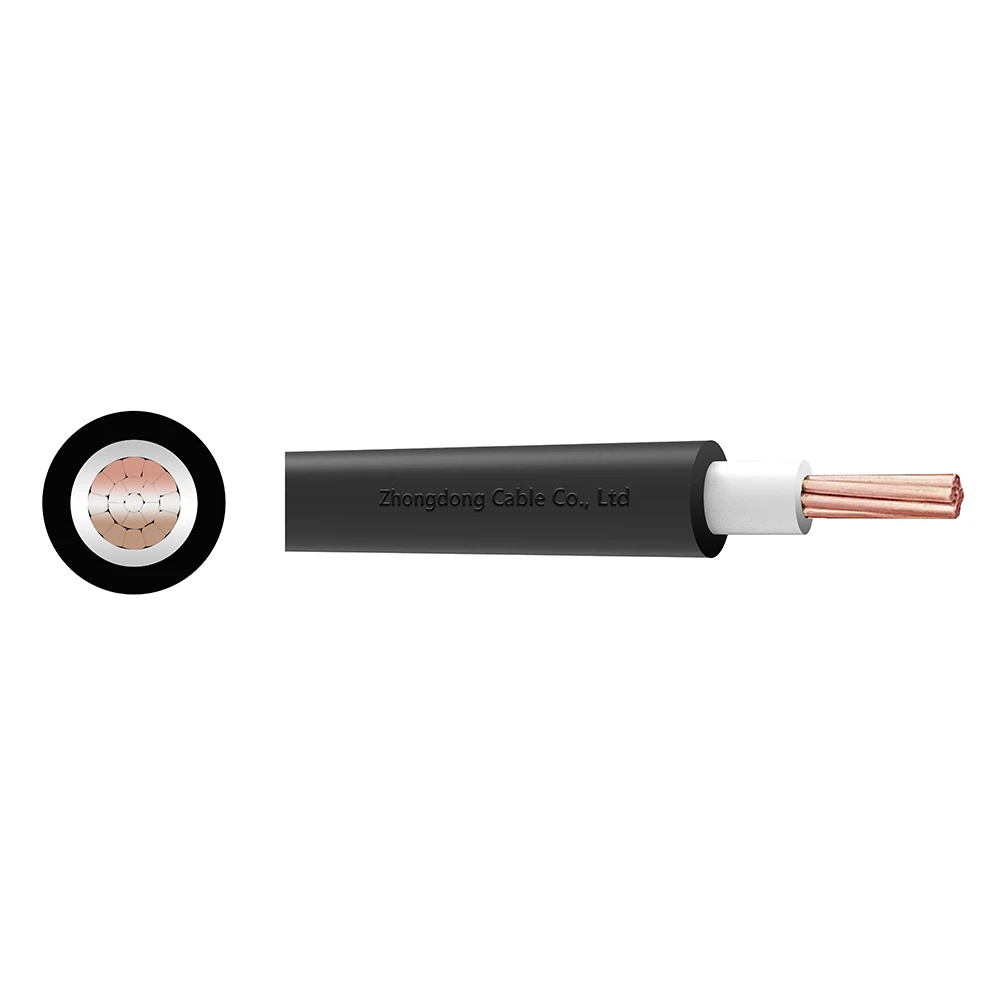 CU/XLPE/PVC Single Core Power Cable 0.6/1kV
Zhongdong Cable combines premium raw materials, large-scale manufacturing capabilities, and strict quality control systems to deliver cable products that fully match your technical requirements and brand identity.