E-mail:
info@zhongdongcable.com
Tel.: +86 198 2988 5532

To specify Low Voltage Cable for a commercial building without costly redesigns, follow a simple sequence: confirm the system and loads, calculate conductor size, identify installation and fire-performance requirements, verify applicable codes, and issue a complete cable schedule. At Zhongdong Cable Co., Ltd., we recommend documenting each decision before requesting quotations so your project team can compare technically equivalent products and avoid delays during procurement and installation.

“Low voltage” can describe different systems in different markets. In many power-distribution projects, it refers to systems up to 1,000 V AC, but the project specification and local electrical code determine the actual limits. Power feeders, branch circuits, fire alarm circuits, security cabling, and data cabling do not necessarily use the same cable construction or approval route.
Before selecting a cable, gather the information that the electrical engineer, contractor, and supplier need to make a defensible recommendation.
This first step prevents a common procurement problem: requesting a cable by voltage and conductor size alone, then discovering that it lacks the required fire rating, environmental protection, or listing.
Use the design current and applicable ampacity tables to establish a preliminary conductor size. Then apply the code-required correction and adjustment factors for ambient temperature, conductor count, installation method, and cable grouping. Check the terminal temperature rating as well; the conductor insulation rating does not automatically determine the permitted ampacity at the equipment connection.
Next, calculate voltage drop using the actual route length, conductor material, load, and circuit arrangement. A 3% branch-circuit and 5% combined feeder-and-branch voltage-drop target is often used as an engineering design guideline in projects based on the NEC, but it is not a universal mandatory limit. Confirm the project standard and local requirements before adopting a target.
Specify copper or aluminum rather than leaving the material open to interpretation. Copper is commonly selected where space, termination compatibility, or conductivity is a priority. Aluminum may reduce material weight and cost on suitable feeders, but it requires compatible equipment, approved terminations, and correct installation practices.
Also define solid, stranded, or flexible construction; conductor class; number of cores; and any screen, armor, or concentric conductor. For example, ASTM B3 covers soft or annealed copper wire, while ASTM B8 covers concentric-lay-stranded copper conductors. These references support material and conductor requirements; they do not by themselves establish that a finished cable is suitable for a particular building application.
Choose insulation and jacket materials for the operating temperature, voltage, installation environment, and expected service life. Common options include PVC and cross-linked polyethylene (XLPE), but the correct construction depends on the applicable product standard and project conditions.
State the requirements that matter to the route:
Do not assume that a cable approved for indoor use is suitable for a wet location or direct burial. Verify the product marking and construction against the installation conditions.
Commercial buildings may require different fire-performance characteristics in plenum spaces, risers, exit routes, and fire alarm circuits. Specify the required flame-spread, smoke, and circuit-integrity performance by application, not with a vague phrase such as “fire-resistant cable.” Requirements vary by jurisdiction and system type.
Depending on the project and market, relevant references may include NFPA 70 (National Electrical Code), NFPA 262 for plenum cable testing, UL 1666 for riser cable flame propagation, and UL 1424 for fire alarm cable. IEC-based projects may use different product and fire-test standards. Confirm the exact standard, edition, listing, and installation rule with the authority having jurisdiction and the project engineer.
Write the governing standards into the specification and identify which requirements apply to the complete cable assembly. Standards such as ASTM, ICEA, UL, and IEC address different materials, constructions, tests, and markets; they are not interchangeable labels. For example, ASTM conductor references can define wire properties, while a finished cable may need a separate product listing and fire-performance qualification.
For projects using NEC requirements, verify the applicable articles and local amendments. For projects designed to IEC requirements, identify the relevant IEC cable and installation standards. Where the project requires third-party certification, ask for the certificate and confirm that its scope matches the offered cable, voltage, construction, and intended use.
A clear schedule turns design intent into a quote that can be reviewed line by line. Include the following fields for each cable tag:
| Specification field | What to state |
|---|---|
| Service and cable tag | Feeder, branch circuit, control, fire alarm, or other function |
| Electrical rating | Voltage, frequency, phase where relevant, and design current |
| Conductor | Copper or aluminum, size, stranding, and number of cores |
| Construction | Insulation, jacket, screen, armor, and grounding conductor |
| Performance | Temperature rating, fire classification, environmental ratings, and required listing |
| Installation | Tray, conduit, riser, plenum, direct burial, or other route condition |
| Commercial details | Required lengths, reel sizes, marking, packaging, delivery location, and requested documents |
When asking Zhongdong Cable Co., Ltd. or another manufacturer for a quotation, request a datasheet, applicable test reports, compliance matrix, manufacturing lead time, and written confirmation of any deviations. A response target such as 24 hours can be included in your RFQ as a service-level expectation; it should not be assumed unless the supplier confirms it.
Once quotations arrive, compare the offered construction against the schedule rather than comparing price alone. A lower-cost option may use a different conductor material, insulation system, approval, or fire classification. Those differences can affect installation labor, cable tray capacity, inspection acceptance, and long-term operating reliability.
We suggest reviewing these documents before purchase approval:
For quality planning, state inspection requirements contractually. For example, a buyer may require 100% visual inspection and continuity checks on supplied reels, plus defined routine electrical tests. Specify the sampling plan, acceptance criteria, and records required; do not treat “100% inspection” as a substitute for design verification or third-party certification.
Before installation, verify cable markings, reel labels, delivered lengths, and visible condition. During installation, follow the manufacturer’s pulling tension, sidewall pressure, bending-radius, and termination instructions. Avoid pulling cable beyond its rated tension or making bends tighter than the specified minimum radius, as either can damage insulation or conductor geometry.
At commissioning, use test procedures appropriate to the cable type and system. Typical checks may include continuity, insulation resistance, phase identification, and functional testing. The project engineer should define test voltage, duration, acceptance limits, and whether sensitive connected equipment must be disconnected. Testing should be performed by qualified personnel using calibrated instruments, with results recorded against the cable tag and reel or circuit identifier.
Depending on the cable and contract, test documentation may reference applicable UL, ICEA, IEC, ASTM, or DIN methods. Always confirm that the selected method is appropriate for the finished cable and does not conflict with the governing installation code or manufacturer’s instructions.
These resources make the specification process more consistent and reduce avoidable revisions:
Use calculation tools to accelerate engineering work, not replace it. Have a qualified electrical engineer verify assumptions, protection coordination, and final conductor selection.
To move your project forward, document the system voltage and route conditions, calculate ampacity and voltage drop, select the conductor and cable construction, define fire and environmental performance, and issue a cable schedule with standards and approval requirements. Then compare supplier documents against the schedule and close every deviation before purchase.
Following these steps helps commercial building teams reduce specification gaps, avoid unsuitable substitutions, and improve installation readiness. Zhongdong Cable Co., Ltd. can be included in your supplier review process when you request a project-specific datasheet, test documentation, and a written compliance response. A precise Low Voltage Cable specification is the practical starting point for a safer, more predictable procurement and commissioning process.


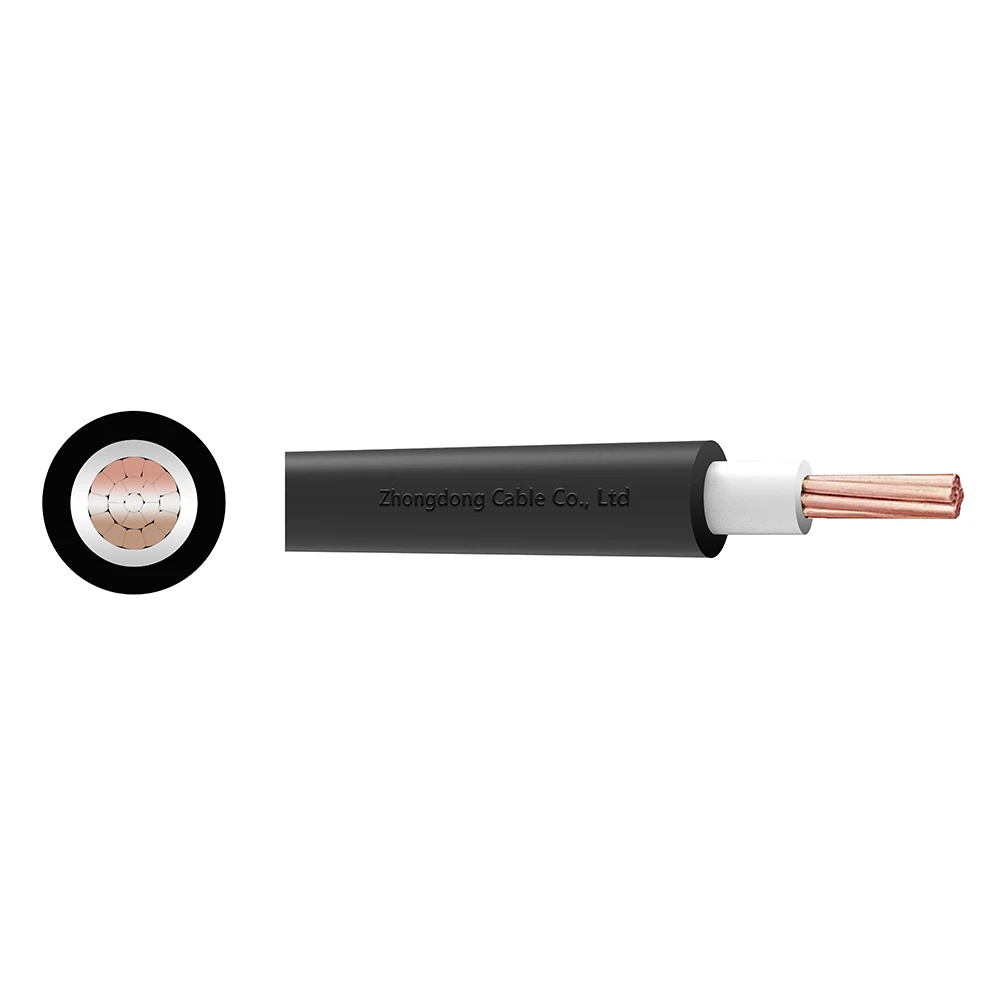 CU/XLPE/PVC Single Core Power Cable 0.6/1kV
Zhongdong Cable combines premium raw materials, large-scale manufacturing capabilities, and strict quality control systems to deliver cable products that fully match your technical requirements and brand identity.