E-mail:
info@zhongdongcable.com
Tel.: +86 198 2988 5532

To check the current rating of Low Voltage Cable, identify the cable construction, consult the correct ampacity data, and account for the conditions where it is installed. The rating is not determined by conductor size alone. Insulation, conductor material, ambient temperature, grouping, installation method, and applicable electrical standards can all change the permitted current.
This guide explains the tools, checks, and calculation steps used to verify a cable rating. Zhongdong Cable Co., Ltd. supplies cable information to help buyers confirm product specifications and suitability for their projects.

The current rating, often called ampacity, is the maximum continuous current a cable can carry under specified conditions without exceeding its permitted conductor temperature. It is a design value based on cable construction and installation conditions. A clamp meter can show the current flowing at a particular moment, but it cannot determine the cable's safe current rating.
Before comparing a rating with a load, confirm the details that apply to the cable and installation:
Two cables with the same conductor area can have different current ratings if their insulation, construction, or installation conditions differ.
Use these items to identify and verify the cable. Testing should be performed by a qualified person using equipment suitable for the installation.
Record the cable route, installation method, local ambient conditions, number of adjacent loaded cables, and the protective device rating. Also note whether the load is continuous or intermittent. Missing installation information can make a table value unsuitable for the actual circuit.
Read the cable sheath or product label and record the manufacturer, product type, conductor material, cross-sectional area, core count, insulation type, and voltage designation. If markings are damaged or missing, do not guess from the outer diameter. Ask the supplier or a qualified cable professional to identify the product using traceable documentation.
Use the datasheet for the exact cable construction whenever possible. If using a standard table, select the table that matches the conductor material, insulation temperature rating, number of loaded cores, and installation method. Check the standard edition and local requirements used by the project. Do not copy a current value from a product with a similar name or conductor size without confirming that its construction and reference conditions match.
Locate the cable size and installation method in the manufacturer data or standard table. The resulting value is a base rating for stated reference conditions, not automatically the allowable rating for every site. Check the table notes for assumptions about ambient temperature, installation spacing, soil thermal properties, and the number of loaded conductors.
Adjust the base rating for actual conditions using the method required by the manufacturer or governing standard. Relevant factors may include high ambient temperature, cable grouping, installation in thermal insulation, buried installation, and soil conditions. Follow the table's instructions carefully. Some published values already include certain conditions, so applying an extra correction factor can produce an incorrect result. Where the standard permits a combined-factor method, the adjusted rating is commonly determined by multiplying the base rating by the applicable correction factors.
Use equipment nameplate data or an engineering load calculation. For a single-phase load using real power, a basic estimate is current in amperes = power in watts divided by voltage in volts multiplied by power factor and efficiency. For a balanced three-phase load using real power, a basic estimate is current in amperes = power in watts divided by (1.732 x line voltage in volts x power factor x efficiency). Use the correct method and equipment data for the circuit. Motor starting current, harmonics, unbalanced loads, and continuous-load rules may require additional evaluation.
Compare the corrected cable rating with the calculated design current and the protective device. Confirm that the cable is suitable for the load and that the overcurrent protection complies with the applicable standard. Also check voltage drop, short-circuit withstand, terminal temperature limits, and any project-specific requirements. A cable may satisfy an ampacity check and still fail another design check.
Write down the cable identification, source of the rating, reference conditions, correction factors, design current, protective device, and any assumptions. If the rating is close to the load requirement or key installation details are unknown, have a qualified electrical designer verify the selection before purchase or energization.
A clamp meter can help establish how much current a conductor carries while equipment is operating. It does not confirm the cable's ampacity or prove that the installation is safe. The reading depends on the operating state of the load, so record the conditions and measure representative operating periods when appropriate.
Live measurements expose workers to electric shock and arc-flash hazards. Only qualified personnel should perform them using equipment rated for the circuit and the required personal protective equipment. De-energize and verify absence of voltage before inspecting, handling, or disconnecting cable. Never open a live panel or separate conductors to take a reading unless the task is authorized and protected under the site's safety procedures.
Conductor area is only one input. Confirm conductor material, insulation, core loading, installation method, and the table's reference conditions before using a current value.
A measured load current describes use at the time of measurement. It does not establish the maximum safe continuous current or account for future loads and worst-case installation conditions.
Heat from nearby loaded cables and a hot environment can reduce the allowable current. Use the correction method specified by the relevant standard or manufacturer instead of assuming the reference conditions apply.
Tables from different standards may use different assumptions and installation methods. Keep the units consistent, confirm the standard required for the project, and use data for the exact cable family and construction.
Check voltage drop, short-circuit withstand, protective-device coordination, terminal limits, and applicable local rules. A current rating check is one part of cable selection, not a substitute for complete circuit design.
Before placing an order, provide the supplier with the actual load and installation details. Ask for the datasheet and confirm the product construction and rating conditions in writing.
Clear project information helps prevent a mismatch between the cable quoted and the cable needed on site. Zhongdong Cable Co., Ltd. can provide product details for review, but final selection should follow the project standard and be approved by the responsible electrical professional.
A reliable check follows a documented sequence: identify the cable, select matching ampacity data, account for installation conditions, calculate the design load, and verify protection and other circuit limits. If a key input is unknown, pause and obtain the missing information rather than relying on a generic online chart.
Checking the current rating of Low Voltage Cable requires matching product data to the real installation and verifying the complete circuit design. Use the correct tables, document assumptions, and consult a qualified professional whenever the installation or rating is uncertain.


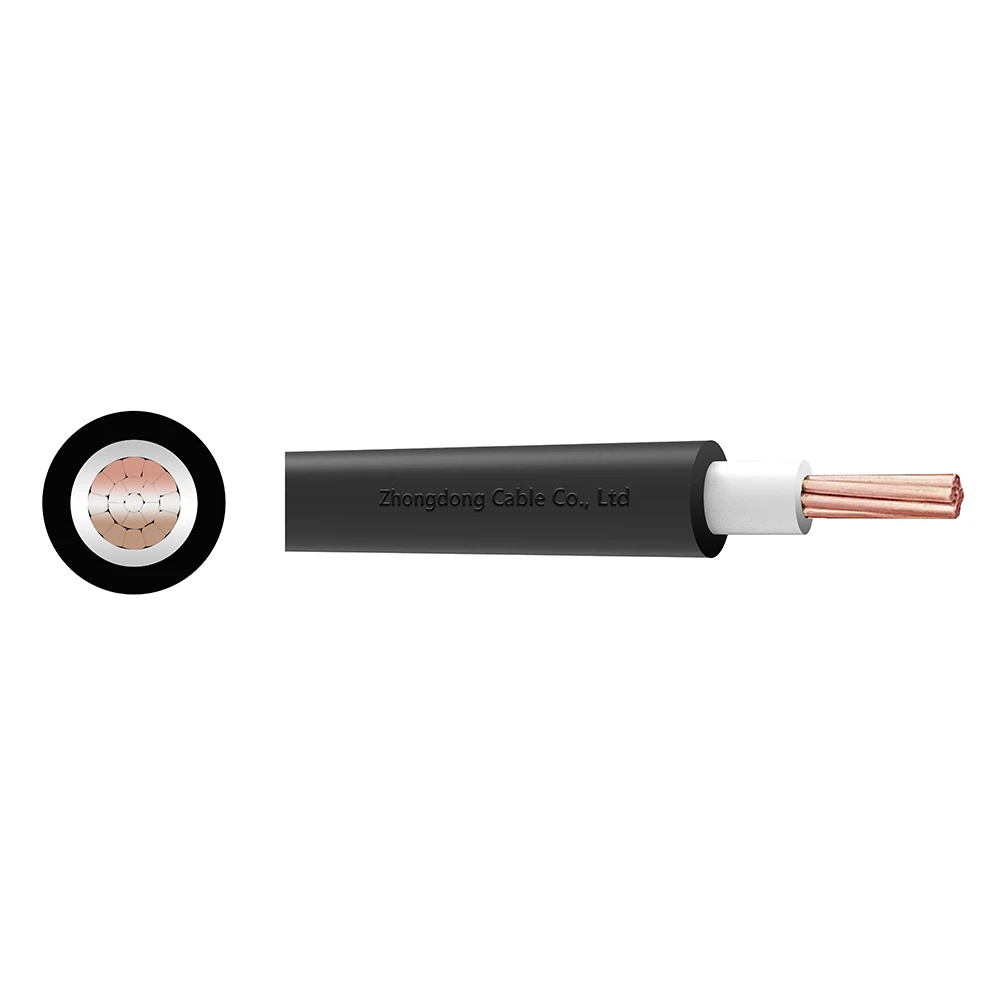 CU/XLPE/PVC Single Core Power Cable 0.6/1kV
Zhongdong Cable combines premium raw materials, large-scale manufacturing capabilities, and strict quality control systems to deliver cable products that fully match your technical requirements and brand identity.